Why Smart Home Technology Should Be Considered Early in the Renovation Planning Process

A homeowner planning a kitchen renovation may focus on cabinetry, countertops, and lighting fixtures. Someone updating a living room might prioritize furniture arrangements, flooring, and entertainment features. However, an increasingly important consideration is how technology will function within the finished space.
Smart lighting, connected thermostats, security systems, and home automation features can make certain everyday activities more convenient. Yet these technologies often depend on electrical connections, network coverage, and equipment placement that should be considered before construction begins.
Including technology in the early design conversation allows homeowners to evaluate practical requirements alongside interior design and construction decisions.
For homeowners in Ottawa, Brockville, and surrounding Eastern Ontario communities, thoughtful planning can help create living spaces that accommodate current preferences while remaining adaptable to future needs.
Why Smart Home Planning Should Begin During the Design Stage
Renovations provide opportunities to reconsider how a home functions.
Walls may be opened, electrical systems updated, and room layouts changed. These activities can create practical opportunities to accommodate connected technology.
For example, a homeowner planning automated window coverings may need to consider power connections near specific windows.
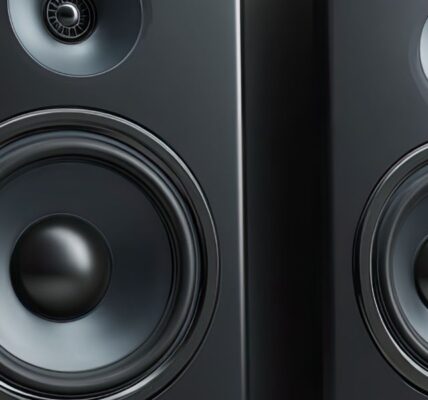
Similarly, a wall-mounted television with integrated audio equipment may require carefully positioned outlets and network connections.
Making these decisions after walls are finished can introduce additional work.
Homeowners exploring home renovation and design-build services can discuss technology preferences alongside layout, electrical planning, and material selections.
Not every renovation requires extensive automation. The objective is to consider useful features before installation becomes unnecessarily complicated.
Smart Lighting and Flexible Lighting Controls
Lighting influences how a home looks, feels, and functions.
Traditional lighting arrangements typically rely on wall switches and individually controlled fixtures. Smart lighting systems may provide additional options through compatible applications, schedules, sensors, or centralized controls.
Planning Lighting Around Daily Activities
A kitchen might benefit from different lighting settings for food preparation, dining, and evening activities.
Similarly, homeowners may want adjustable lighting in a living room used for entertaining and watching television.
These preferences should influence fixture placement, switching arrangements, and electrical planning.
Considering Installation Requirements
Some connected lighting products operate with existing wiring, while others require particular switches, controllers, or compatible electrical configurations.
Homeowners should discuss these requirements with qualified electrical professionals before selecting equipment.
A thoughtfully designed lighting arrangement should also remain practical when internet connectivity or automated controls are unavailable.
Connected Thermostats and Home Climate Management
Heating and cooling are important considerations during renovation planning, particularly in regions experiencing significant seasonal temperature changes.
Connected thermostats may allow homeowners to review temperatures, adjust settings remotely, or establish schedules.
However, compatibility with existing heating and cooling equipment must be confirmed.
For example, a home with multiple heating zones or specialized mechanical systems may have different control requirements from a property with a conventional central system.
Considering the Whole Home
Climate controls should not be evaluated independently from insulation, air sealing, ventilation, and mechanical equipment.
The Government of Canada’s guidance on renovating for energy efficiency encourages homeowners to consider how building components and systems work together.
Smart controls may provide convenience, but they do not automatically guarantee lower energy consumption.
Professional assessment can help determine which improvements are appropriate for a particular property.
Smart Locks, Security, and Entry Management
Connected entry systems can offer additional ways to manage access to a home.
Depending on the equipment, homeowners may use digital access codes, compatible mobile applications, or notifications associated with door activity.
For example, a household with several family members may appreciate being able to manage individual access arrangements.
However, convenience should be balanced with reliability and security.
Before choosing connected locks or security devices, homeowners should consider door compatibility, power requirements, network connectivity, and methods of accessing the property if electronic functions become unavailable.
Security cameras and related devices also introduce privacy considerations, including where recordings are stored and who can access them.
These decisions are easier to evaluate before finalizing entrance layouts and electrical requirements.
Why Reliable Home Networking Matters
Many connected devices depend on a reliable home network.
Smart televisions, wireless speakers, security cameras, and automation controllers may all communicate through internet-connected or local network systems.
However, Wi-Fi performance can vary according to building materials, property dimensions, equipment locations, and connected devices.
Planning Network Coverage
A large home with multiple floors may require additional networking consideration.
Renovation planning can identify suitable locations for routers, network access points, and wired connections.
For example, a dedicated home office or entertainment room may benefit from a planned network outlet rather than relying entirely on wireless connectivity.
Homeowners should also consider where networking equipment will be installed and whether it will remain accessible for maintenance.
Reliable connectivity is an important foundation for connected home functionality.
Integrating Smart Appliances and Connected Features
Modern appliances increasingly include optional connectivity features.
Some refrigerators, ovens, laundry appliances, and other household devices can communicate with compatible applications or home platforms.
However, these functions differ between products and may require specific network or software arrangements.
Before selecting connected appliances, homeowners should determine whether the available features support their routines.
For example, remote appliance status notifications may be useful for one household but unnecessary for another.
Physical installation requirements remain equally important.
Appliance dimensions, ventilation, electrical connections, plumbing arrangements, and service access should be considered before purchasing equipment.
Connectivity should complement practical appliance performance rather than become the primary reason for choosing a product.
Planning Wiring, Outlets, and Equipment Locations
Electrical and network planning can influence how comfortably technology fits into a renovated space.
During the design stage, homeowners can identify areas that may require additional outlets, equipment connections, or concealed wiring.
Examples include entertainment walls, home offices, automated window coverings, and designated networking locations.
A home theatre arrangement may require power and signal connections positioned to avoid exposed cables.
Similarly, a future security camera location might benefit from appropriate wiring provisions.
Electrical modifications should be designed and completed by qualified professionals according to applicable requirements.
Planning these details before walls are closed can help reduce unnecessary changes during later stages of construction.
Balancing Convenience, Compatibility, and Privacy
Connected technology can simplify certain activities, but adding more devices does not always create a better experience.
Different products may use separate applications, communication standards, or control platforms.
A lighting system may not integrate automatically with an existing thermostat or entertainment arrangement.
Homeowners should confirm compatibility before investing in equipment.
Privacy and security also deserve consideration.
Strong account credentials, supported software updates, appropriate device settings, and an understanding of data collection practices are important.
Another practical question is long-term support.
Devices that rely heavily on cloud services may be affected if manufacturers discontinue particular features or software updates.
Choosing systems with clear operating requirements and reasonable maintenance expectations can make technology easier to manage.
Designing Technology Around Everyday Routines
The most useful smart home features are often those that address specific household needs.
A homeowner who frequently travels may value selected security notifications, while someone working remotely may prioritize dependable networking and comfortable lighting.
Families may appreciate simple controls that can be used by different household members.
However, automation should not make ordinary activities unnecessarily complicated.
Before choosing features, consider which tasks would genuinely benefit from connected technology.
A straightforward lighting arrangement may be more practical than an elaborate automation system that requires frequent adjustments.
Homeowners should also maintain accessible manual controls wherever appropriate.
The objective is to design technology around everyday life rather than expect household routines to accommodate increasingly complex systems.
Discussing Smart Home Features With a Renovation Team
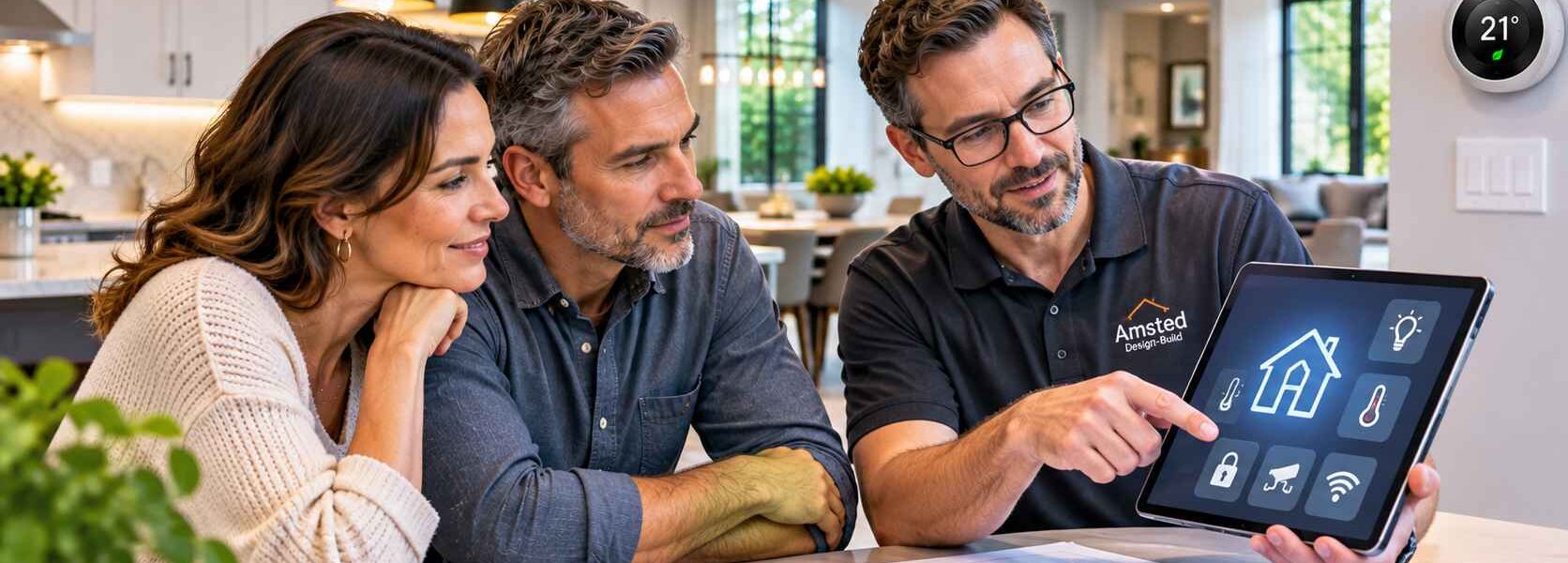
Technology planning benefits from communication between homeowners, designers, electricians, and other construction professionals.
Before renovation work begins, homeowners can ask which features require special wiring, whether existing equipment can be retained, and how future upgrades might be accommodated.
Companies such as Amsted Design-Build, serving Ottawa, Brockville, and surrounding Eastern Ontario communities, coordinate residential design and construction projects.
When evaluating renovation companies, homeowners should explain their technology priorities and ask how these requirements would be considered during design and construction planning.
Clear discussions about equipment locations, responsibilities, compatibility, and installation requirements can help establish realistic expectations.
Making Technology a Thoughtful Part of Renovation Planning
A successful renovation should support how people want to use their homes, both immediately and as their needs evolve.
Smart lighting, climate controls, connected security, and home networking can contribute to everyday convenience when selected and installed appropriately.
However, homeowners do not need to automate every room or replace equipment that already works well.
The more important decision is identifying useful features and considering their installation requirements before construction advances.
By coordinating technology choices with interior design, electrical planning, and practical household routines, homeowners can create renovated spaces that feel comfortable, functional, and adaptable without introducing unnecessary complexity.