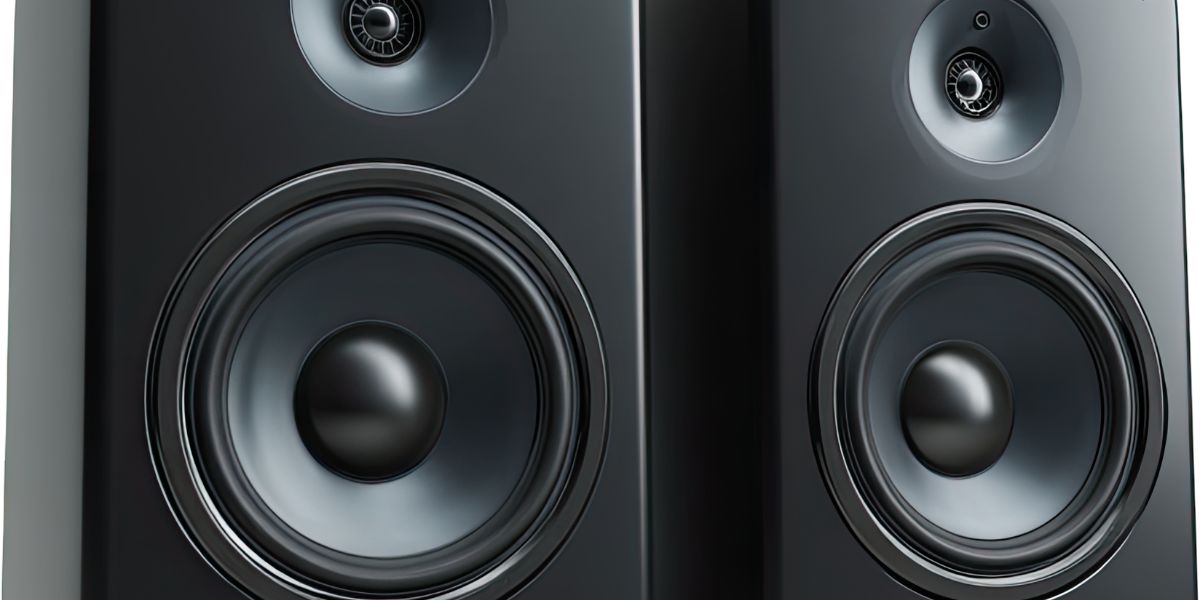

A great audio and video setup can change the way a space feels. In a home, it can make movie nights more exciting, music more enjoyable, and everyday entertainment easier to use. In a business, it can improve presentations, customer experience, background sound, meetings, and the overall atmosphere of the space. The right setup can make technology feel smooth, natural, and useful instead of complicated.
Many people begin with a simple upgrade. They may want a larger television, clearer speakers, a better receiver, a projector, a cleaner wall-mounted display, or sound that fills the room properly. But once they start comparing products, the process can quickly become confusing. There are many choices, and not every product is right for every room.
For people searching for premium home audio systems, the goal should be more than simply buying equipment. A good setup should match the room, the user’s lifestyle, the desired sound quality, and the way the space will be used every day.
The Best AV Setup Starts With the Room
Every room affects audio and video performance. A bright living room, a basement theatre, a small apartment, a large open-concept space, and a commercial showroom all have different needs. Room size, wall materials, flooring, ceiling height, windows, furniture placement, and seating distance all influence the final result.
A speaker system that sounds excellent in one room may not perform the same way in another. A projector that works beautifully in a dark theatre room may not be the best choice for a bright family room. A large screen may look impressive, but it still needs the right viewing distance and placement.
Planning around the room helps avoid disappointment. It allows the equipment to support the space instead of fighting against it. This is why audio and video decisions should be made with the actual environment in mind.
A well-planned system feels balanced, comfortable, and easy to enjoy.
Sound Quality Shapes the Experience
Many people think first about the screen when upgrading entertainment equipment, but sound is just as important. Clear dialogue, rich music, strong bass, and balanced speakers can make movies, shows, sports, and games feel much more immersive.
Poor sound can make even an expensive display feel incomplete. If voices are difficult to hear, music sounds flat, or loud scenes feel harsh, the entire experience suffers. Better sound helps bring depth and emotion into the room.
Different users need different audio solutions. Some may want a simple soundbar for everyday television. Others may prefer a complete surround sound system for movies. Music lovers may want dedicated stereo speakers and a quality amplifier. Homeowners may also want audio in several rooms or outdoor spaces.
The best audio system is one that matches how people actually listen.
Video Quality Should Match the Purpose
A video setup should be chosen based on more than size. Picture quality, brightness, contrast, motion handling, resolution, room lighting, and viewing habits all matter. A sports fan may need smooth motion. A movie lover may care about deeper contrast and cinematic image quality. A gamer may need fast response and modern connectivity. A business may need a display that is bright, reliable, and easy to operate.
Televisions are often best for everyday viewing and brighter rooms. Projectors can create a more cinematic experience, especially in dedicated theatre spaces. However, projectors require careful planning around lighting, screen type, seating, and room layout.
A good video setup should feel comfortable to watch. It should not strain the eyes, overwhelm the room, or create awkward viewing angles. When the screen matches the space, the experience feels more natural and enjoyable.
Home Theatre Systems Need Balance
A home theatre is not only about powerful speakers or a large screen. It is about balance. The screen, speakers, seating, lighting, receiver, subwoofer, and controls all need to work together.
A system that is too complicated may not get used often. A system with poor speaker placement may not sound as immersive as expected. A screen mounted too high can become uncomfortable. A subwoofer placed without planning may sound uneven or overpowering.
The best home theatre systems are immersive but still easy to use. People should be able to sit down, start a movie, and enjoy the experience without adjusting settings for twenty minutes.
Good planning helps create a system that feels exciting, comfortable, and practical for real life.
Music Listening Deserves Its Own Attention
Music is personal. Some people want detailed sound for focused listening. Others want background music throughout the home. Some enjoy vinyl records, while others prefer streaming. Some want powerful sound for entertaining, while others want warm and natural sound for quiet evenings.
A good music system should reflect the listener’s habits. Speaker selection, amplifier quality, source equipment, room layout, and placement all affect the result. A system designed for music may be different from one designed mainly for movies.
Two-channel stereo systems can be excellent for people who care deeply about music quality. Multi-room systems may be better for people who want convenient sound across the home. Outdoor speakers can extend music to patios, decks, and backyard spaces.
When music sounds clear and natural, it can make everyday moments more enjoyable.
Good Equipment Should Be Easy to Use
Technology should not make life harder. A beautiful AV setup loses value if it is difficult to operate. If users need several remotes, complicated settings, or constant troubleshooting, they may avoid using the system altogether.
Ease of use should be part of the plan from the beginning. Controls should be simple. Devices should work together smoothly. Inputs should be organized. Streaming, gaming, television, and music should be easy to access.
This matters especially in family homes where several people may use the system. It also matters in businesses where staff need reliable equipment without technical confusion.
A good system combines performance with convenience. It should feel powerful when needed and simple when used every day.
Commercial AV Can Improve Customer and Staff Experience
Businesses also benefit from strong audio and video systems. Retail stores may use music to create atmosphere. Offices may need displays and audio for meetings. Restaurants may use speakers to support the mood of the space. Showrooms may need screens for product presentations. Clinics, service businesses, and hospitality spaces may need reliable systems that are clean and easy to operate.
A poor commercial AV setup can be distracting. Uneven sound, visible cables, low-quality displays, or complicated controls can create frustration. A well-planned system can make the space feel more professional and organized.
Commercial AV does not always need to be complex. It needs to be appropriate for the business, reliable for daily use, and designed around the way customers and staff interact with the space.
Compatibility Prevents Frustration
One common mistake is buying equipment piece by piece without considering how everything will work together. A television, receiver, speakers, subwoofer, streaming device, projector, or gaming console may each be good on its own, but the system needs to function as a whole.
Compatibility affects sound quality, picture quality, control, connectivity, and future upgrades. If components do not match well, the system may underperform or become difficult to manage.
A thoughtful setup considers connections, power needs, speaker matching, room requirements, control options, and upgrade potential. This helps avoid wasted money and unnecessary frustration.
The right equipment should work together smoothly so the user can enjoy the system without constant technical problems.
Installation Makes a Big Difference
Even excellent equipment can disappoint if it is installed poorly. Speaker placement, screen height, wiring, mounting, cable management, ventilation, and system configuration all affect the final result.
A television mounted too high can be uncomfortable. Speakers placed incorrectly may reduce clarity and surround effects. Messy cables can make a premium setup look unfinished. Equipment without proper ventilation can create performance or reliability issues.
Professional installation helps the system look cleaner and perform better. It also makes the space easier to use. A properly installed system feels intentional, not improvised.
Installation is not just the final step. It is a major part of the overall AV experience.
Clean Design Matters in Modern Spaces
Many homeowners and businesses want technology that works well without taking over the room. A good AV setup should fit into the design of the space. Screens, speakers, cables, racks, mounts, and devices should be placed thoughtfully.
Cable management is especially important. Visible wires can make an otherwise beautiful room look messy. Proper mounting and placement can help the setup feel clean and organized.
Some spaces may benefit from hidden speakers, in-wall wiring, custom mounting, or carefully arranged equipment. Others may need a simpler setup that still looks neat and professional.
Good AV design respects both performance and appearance. The system should sound and look right.
Expert Advice Helps Avoid Overspending
Audio and video equipment can range from simple and affordable to highly advanced. Without guidance, it is easy to overspend on features that are not needed or choose products that do not fit the room.
A person may buy speakers that are too large for the space, a projector that does not suit the lighting, or a receiver with features they will never use. Others may buy equipment that seems affordable at first but becomes limiting when they want to upgrade later.
Expert advice can help customers make better decisions. The right guidance can clarify what matters most, where to invest, and where to keep things simple.
A strong AV setup is not always about spending the most. It is about spending wisely on the equipment that truly improves the experience.
Future Upgrades Should Be Considered Early
Many people do not build their ideal AV system all at once. They may start with a better television, then add speakers later. They may begin with a stereo setup and upgrade to a more complete system over time. A business may start with one display and expand as needs grow.
Planning for future upgrades can save money and reduce frustration. It helps customers choose equipment that will not become limiting too quickly. It also makes it easier to improve the system later without replacing everything.
A good foundation matters. Choosing the right receiver, speaker layout, wiring plan, or display location can make future changes much easier.
Smart AV planning supports both current enjoyment and long-term flexibility.
Local Support Can Make the Process Easier
Buying AV equipment can feel overwhelming when customers are left to compare products alone. Local support can make the process easier by helping people understand what will work best for their room, needs, and budget.
A local audio and video specialist can answer questions, recommend compatible equipment, explain installation options, and help customers avoid common mistakes. This kind of support is especially useful for people planning a larger home theatre, music system, commercial setup, or multi-room solution.
Customers can also benefit from having support after the purchase. Questions about setup, upgrades, and performance are easier to handle when knowledgeable help is available.
For people researching options, https://sigav.com/ can be a useful place to explore audio and video solutions for homes and businesses.
Building an AV Setup That Works Every Day
The best audio and video systems are not only impressive on the first day. They continue to work well in everyday life. They sound clear, look clean, operate smoothly, and match the way people actually use the space.
A strong AV setup considers the room, the equipment, the installation, the controls, and future needs. It balances performance with simplicity so the system feels enjoyable instead of overwhelming.
Whether the goal is a better music room, a more immersive home theatre, a cleaner living room setup, or a reliable commercial AV solution, planning matters. With the right equipment and guidance, audio and video can make a space more comfortable, professional, and enjoyable for years to come.