
How to Fix a Broken Window: A Step-by-Step Guide
A broken window can be a frustrating and potentially dangerous issue. Whether it’s a small crack or a completely shattered pane, addressing the problem as soon as possible will prevent further damage, improve security, and maintain energy efficiency in your home.
Fixing a broken window may seem like a daunting task, but with the right tools and steps, you can handle it yourself. In this guide, we’ll walk you through how to repair or replace a broken window safely and effectively.
Assessing the Damage
Before you start the repair process, it’s essential to evaluate the extent of the damage. Different types of window damage require different solutions:
- Small cracks: If the crack is minor, you may be able to fix it with simple solutions like epoxy or a glass repair kit.
- Large cracks: If the crack extends across a significant portion of the window, replacing the glass pane is the best option.
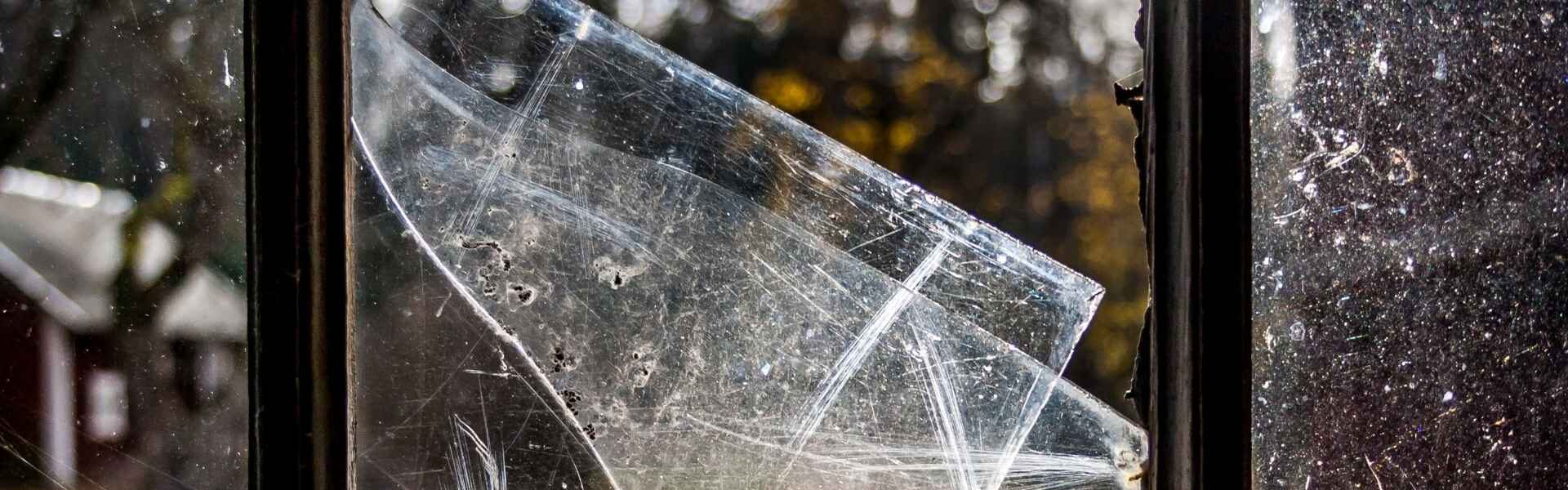
- Shattered glass: If the window is completely broken, immediate replacement is necessary for safety and insulation.
Safety Precautions
Working with broken glass can be dangerous. Before beginning any repairs, follow these safety precautions:
- Wear heavy-duty gloves and safety goggles to protect yourself from glass shards.
- Use a drop cloth or newspaper to catch any falling glass pieces.
- Keep children and pets away from the work area.
Temporary Fixes for a Broken Window
If you don’t have time to replace the window immediately, you can use temporary solutions to keep your home secure:
- Use clear packing tape: For minor cracks, apply clear packing tape over the area to prevent it from spreading.
- Apply a plastic sheet or tarp: If the glass is shattered, cover the opening with a plastic sheet and secure it with tape until you can replace it.
- Use plywood for security: In case of extreme damage, temporarily nail a piece of plywood over the window for safety.
How to Replace a Broken Window Pane
For more severe damage, replacing the glass pane is the best solution. Follow these steps for a successful replacement:
Tools and Materials Needed
- Replacement glass pane
- Measuring tape
- Putty knife
- Glazing putty or caulk
- Glazing points (small metal clips)
- Hammer
- Glass cutter (if needed)
Step 1: Remove the Broken Glass
Carefully remove any remaining shards of glass from the frame. Use pliers or a putty knife to lift out the broken pieces. Dispose of the glass safely in a thick trash bag.
Step 2: Measure and Cut the New Glass
Measure the window opening and subtract about 1/8 inch from the measurements to ensure a proper fit. If necessary, use a glass cutter to trim the new glass to the correct size.
Step 3: Prepare the Window Frame
Remove any old putty or glazing compound using a putty knife. Clean the frame thoroughly to ensure a smooth surface for the new glass.
Step 4: Insert the New Glass Pane
Place the new glass pane into the window frame. Secure it with glazing points by gently pressing them into the frame with a hammer.
Step 5: Apply Glazing Putty
Roll glazing putty into a thin rope and press it around the edges of the glass to seal it in place. Use a putty knife to smooth it evenly.
Step 6: Let It Dry
Allow the putty to dry for at least 24 hours before painting or applying additional finishes.
How to Fix a Cracked Window Without Replacing It
If the damage is minimal, you can repair the crack without replacing the entire window:
- Use clear nail polish: Apply clear nail polish over the crack in multiple layers to fill in the damage.
- Apply epoxy: A glass repair epoxy can be used to seal small cracks and prevent further spreading.
- Use a glass repair kit: These kits contain resin that can fill cracks and strengthen the glass.
When to Call a Professional
While many window repairs can be done on your own, there are cases where professional help is recommended:
- If the damage affects the window frame or surrounding structure.
- If the glass is double-pane or tempered, which requires specialized replacement.
- If you don’t feel comfortable handling glass or using the necessary tools.
Preventing Future Window Damage
To avoid future window damage, consider these preventive measures:
- Install storm windows or protective film for added durability.
- Keep furniture and objects away from windows to prevent accidental impacts.
- Inspect windows regularly for signs of wear and address small issues before they become major problems.
Conclusion
Fixing a broken window doesn’t have to be a stressful experience. By assessing the damage, taking safety precautions, and following the right steps, you can repair or replace a window efficiently. Whether you choose a temporary fix, a DIY replacement, or professional assistance, keeping your windows in good condition ensures safety, energy efficiency, and a well-maintained home.